Neurology Care at The Medical Group of New Jersey
Comprehensive Brain, Nerve, and Spine Care Led by Board-Certified Neurologists
Overview
The Neurology specialists at The Medical Group of New Jersey diagnose, treat, and manage the full spectrum of neurological conditions, from sudden emergencies like stroke to chronic disorders such as Parkinson’s disease and multiple sclerosis.
Our board-certified neurologists, neurosurgeons, and neuro-rehabilitation experts work together to deliver personalized, evidence-based care that helps patients maintain function, independence, and quality of life.
Using advanced diagnostic tools, cutting-edge therapies, and multidisciplinary collaboration, we ensure that every patient receives the right care at the right time.
Why Choose Our Neurology Team?
- Board-certified neurologists and subspecialists
- State-of-the-art imaging and neurodiagnostic testing
- Coordination with rehabilitation, neurosurgery, and primary care
- Access to the latest infusion, neuromodulation, and surgical therapies
- Compassionate, patient-centered approach with ongoing education and support
Conditions We Treat
At The Medical Group of New Jersey, our neurology specialists diagnose and treat a wide range of brain, nerve, and spine conditions. Explore some of the most common disorders we manage below. Each links to a detailed Clinical Patient Journey explaining symptoms, diagnosis, treatment, and recovery so you’ll know what to expect every step of the way.
Stroke & Cerebrovascular Disease
When a stroke occurs, symptoms can appear suddenly. This may include weakness on one side, slurred speech, or facial drooping. Our team provides rapid emergency care with advanced imaging, clot-removal procedures, and specialized rehabilitation. Long-term care focuses on recovery and preventing another event.
If you experience recurrent seizures, staring spells, or unexplained blackouts, our epilepsy specialists can help identify the cause through EEG testing and brain imaging. Treatment may include antiseizure medications, dietary therapy, or advanced options such as surgical intervention or neurostimulation. Our goal is lasting seizure control and improved quality of life.
Chronic headaches or migraines with nausea, light sensitivity, or visual aura can disrupt daily life. Our headache specialists evaluate triggers, rule out secondary causes, and create a tailored plan using preventive medications, infusion therapy, or Botox® when appropriate. We focus on long-term relief and lifestyle guidance to minimize recurrence.
Parkinson’s Disease & Movement Disorders
Tremor, stiffness, slow movement, or balance problems are hallmark signs of Parkinson’s disease and related movement disorders. Our neurologists provide evidence-based medication management, deep brain stimulation (DBS) when indicated, and coordinated physical and occupational therapy to maintain mobility and independence.
Dementia & Cognitive Disorders
If you or a loved one is experiencing memory loss, confusion, or behavioral changes, our cognitive neurology team offers comprehensive testing and individualized care. We use advanced imaging and cognitive assessments to determine the cause and recommend therapies, medications, and caregiver support resources to help maintain function and quality of life.
Multiple Sclerosis & Demyelinating Disorders
Symptoms like numbness, vision loss, weakness, or coordination issues may signal multiple sclerosis (MS) or a related demyelinating condition. We diagnose MS using MRI and lab testing, then develop personalized treatment plans including infusion or oral immunotherapy, physical rehabilitation, and long-term disease monitoring.
Neuropathy & Peripheral Nerve Disorders
Peripheral neuropathy causes numbness, tingling, or burning pain in the hands and feet. Our neurology team performs EMG testing and laboratory evaluation to identify underlying causes such as diabetes or autoimmune disease. Treatment focuses on pain relief, physical therapy, and targeted interventions to protect nerve function and mobility.
Gradual muscle weakness, cramps, or difficulty speaking and swallowing can be signs of ALS or another motor neuron disorder. Our multidisciplinary ALS clinic provides comprehensive care including respiratory therapy, nutrition management, physical rehabilitation, and access to emerging treatments to maintain quality of life.
Myasthenia Gravis & Neuromuscular Junction Disorders
Myasthenia gravis causes fluctuating muscle weakness, drooping eyelids, and fatigue that worsens with activity. Diagnosis involves antibody testing and EMG studies, while treatment may include immunotherapy, thymectomy, and ongoing respiratory monitoring. With modern care, most patients achieve excellent symptom control and long-term stability.
Brain and spinal tumors can present with headaches, seizures, weakness, or cognitive changes. Our neuro-oncology team provides comprehensive diagnosis using MRI and biopsy, followed by surgical removal, targeted radiation, or chemotherapy as appropriate. Recovery focuses on rehabilitation and supportive care to optimize function and well-being.
Our Multidisciplinary Approach
We believe optimal neurological care requires teamwork. Our patients benefit from the collaboration of:
- Neurologists and neurosurgeons
- Neuro-oncologists and interventional radiologists
- Physical, occupational, and speech therapists
- Psychologists, social workers, and palliative-care specialists
Together, we provide a personalized, 360-degree approach, from diagnosis and treatment to recovery and ongoing wellness.
Conditions we treat
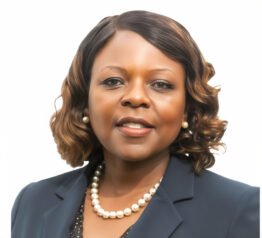
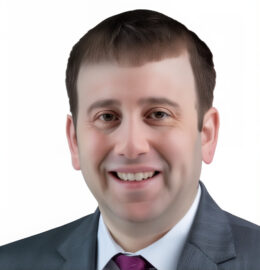
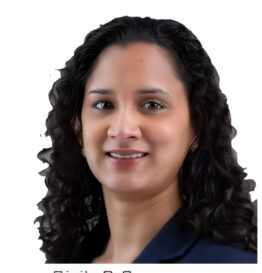
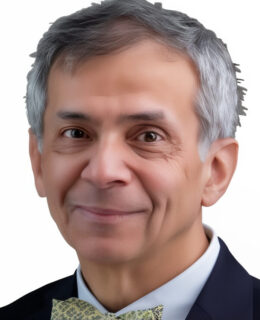
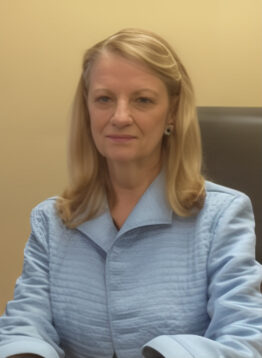
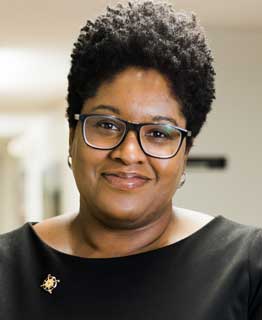
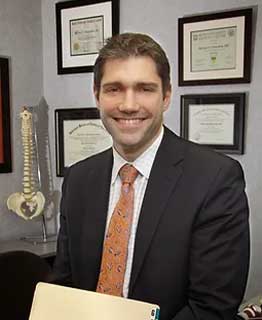
Practicing Providers